OpenBlend
Senior product designer leading the way on a small product team with big ideas.
OpenBlend offers key tools to improve 1:1s, balancing employee wellbeing with growth and reviews.
Our Product Process
For improvements to existing features, we collaborated with our Customer Support (CS) team to gather insights, highlight recurring issues, and address user concerns. We reviewed site metrics in Pendo or through server logs and engaged customers in UX workshops, capturing insights via Dovetail, our user research tool.
For new features, user interviews provided valuable qualitative insights into pain points and expectations. Additionally, competitor analysis helped us understand market trends and opportunities for differentiation, ensuring our approach was both user-centered and competitive.
In the define phase, we focused on clearly outlining the problem and shaping the foundation for our solution. The first step was to define a clear problem statement based on insights from the discovery phase. We mapped out key features, created detailed user personas to represent our target audience, and formulated assumptions and hypotheses to test later in the design process.
Working closely with the CTO, we then developed and prioritized a stack of user stories. This ensured that the most critical features aligned with user needs and business goals, setting a clear direction for the next phase of development, and giving our dev team a heads up of the product pipeline.
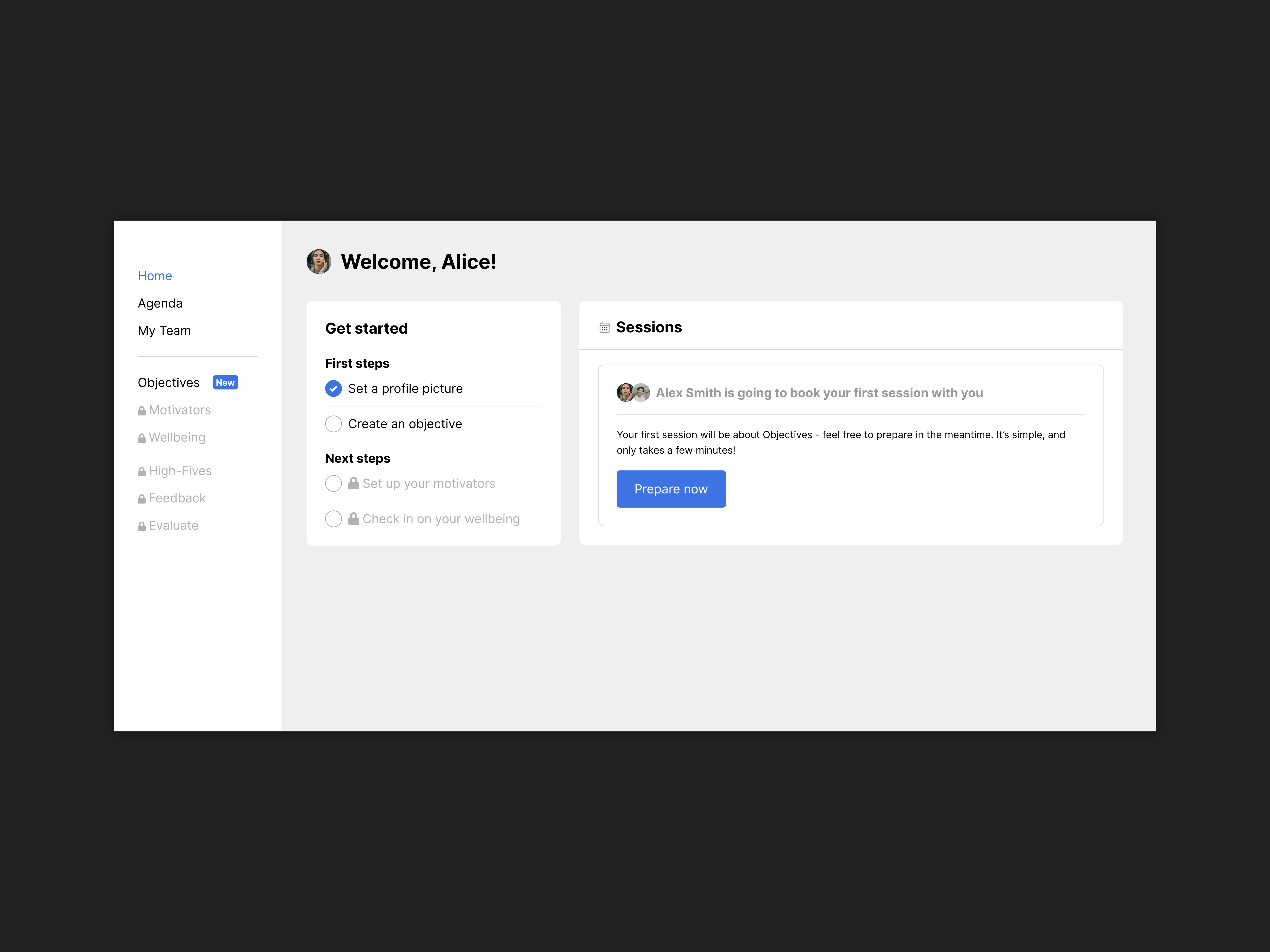
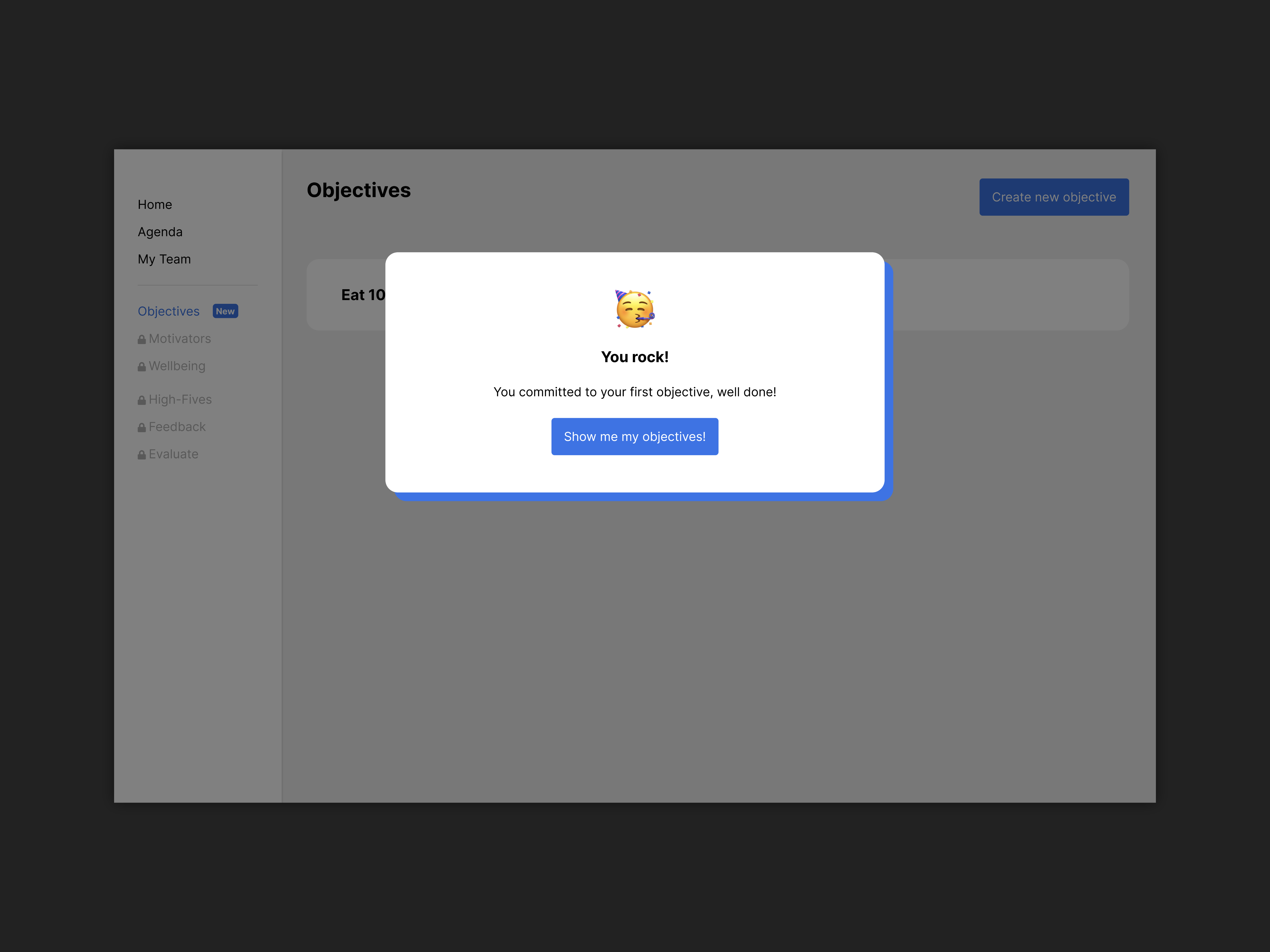
After discovering and defining a product feature, update, or issue, I began wireframing. Everything started with quick, low-definition sketches and wireframes to gather layered feedback and test concepts with internal stakeholders (CS, Sales, CTO, CEO) and customers. For larger features, we sometimes ran product workshops at this stage. Below is an example wireframe set for an improved “Objectives” feature in our app.
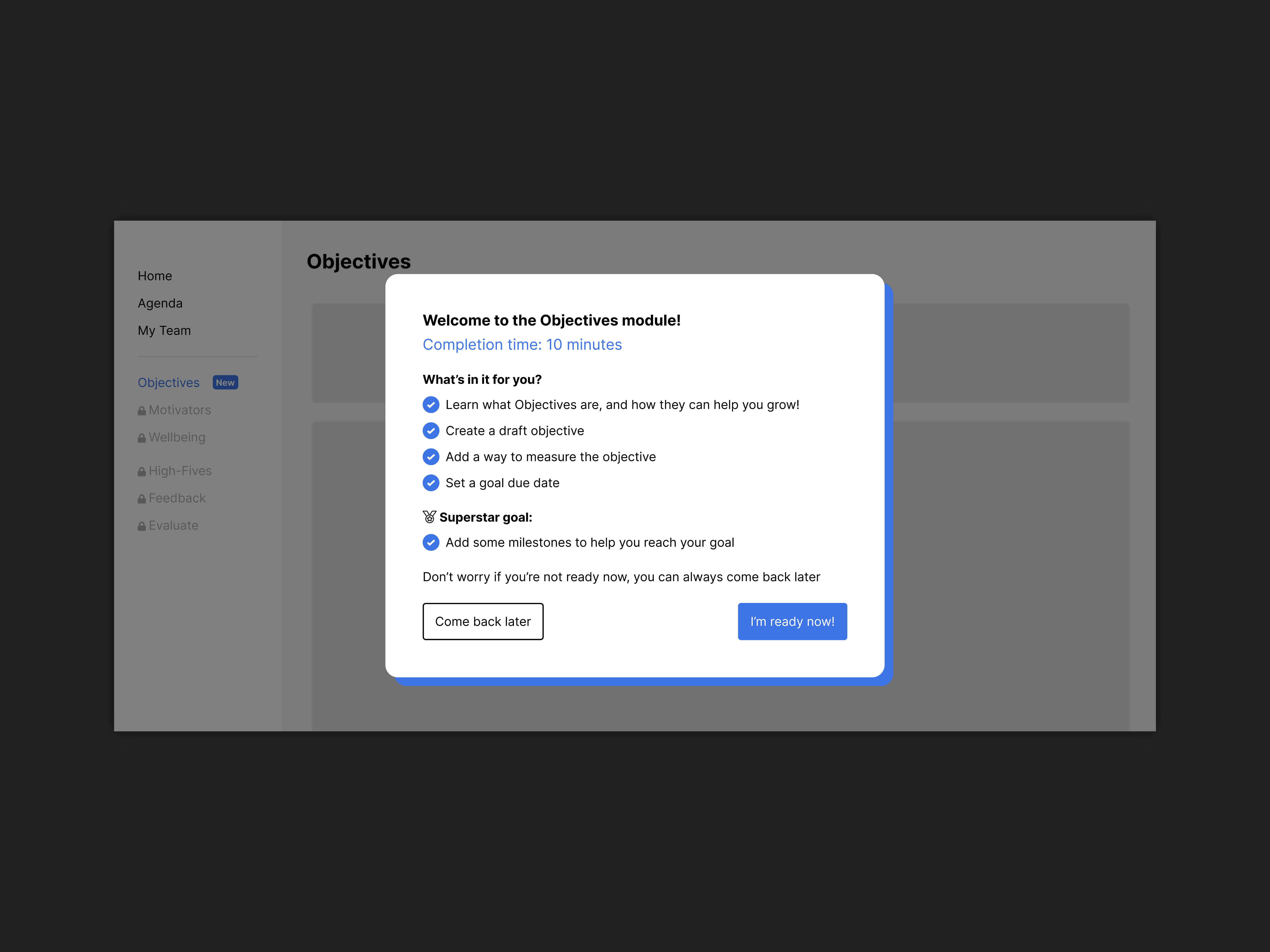
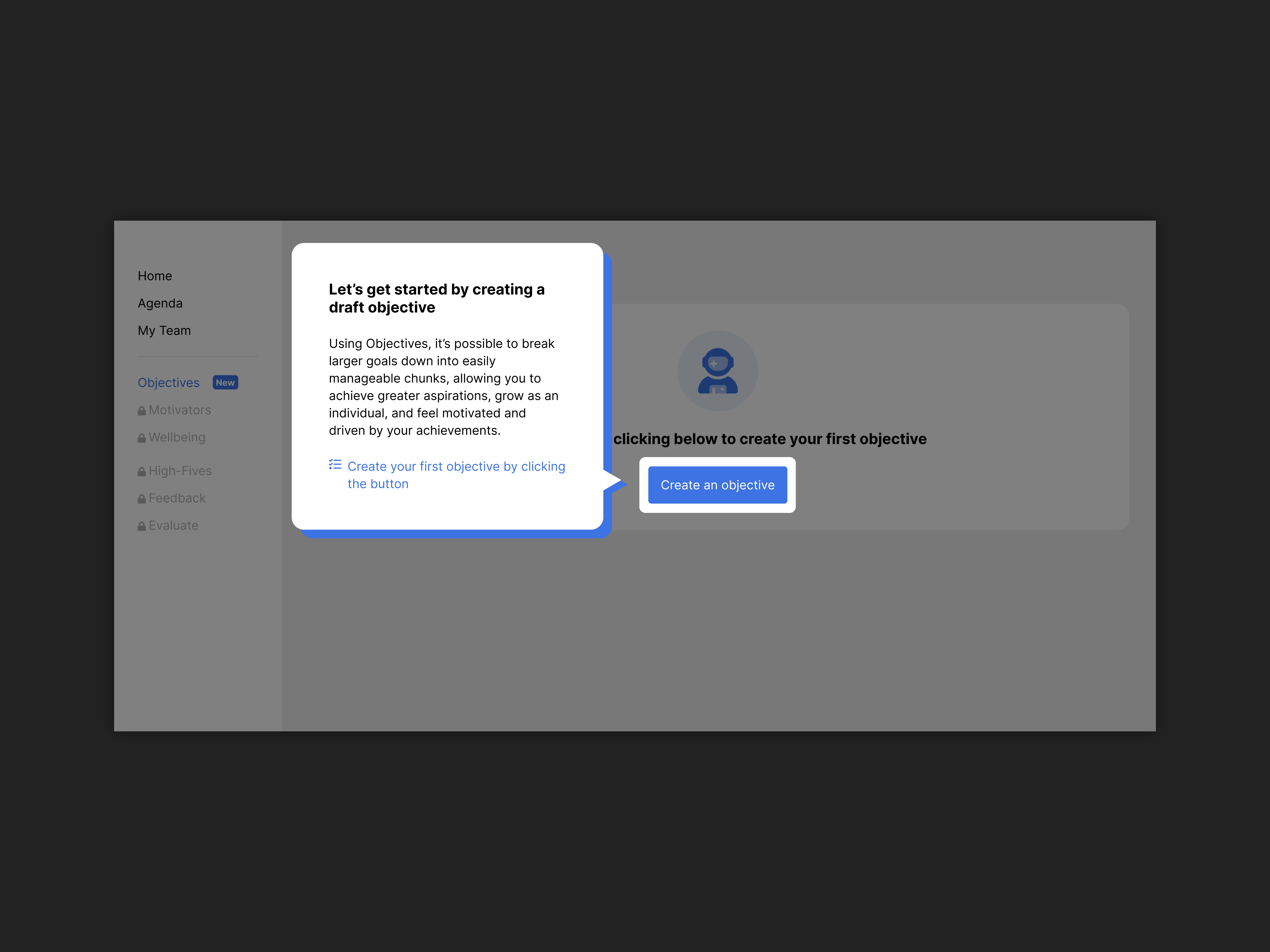
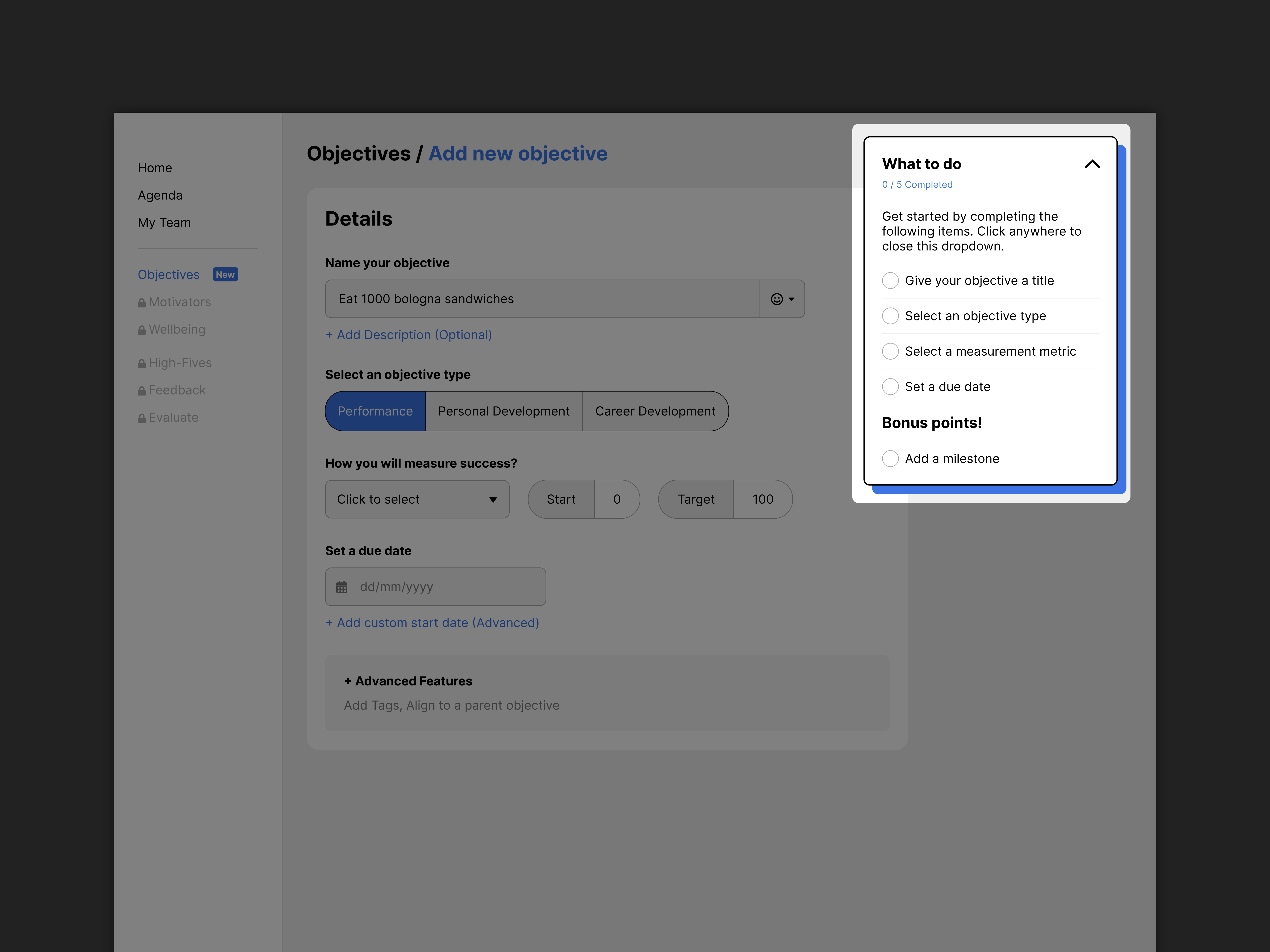
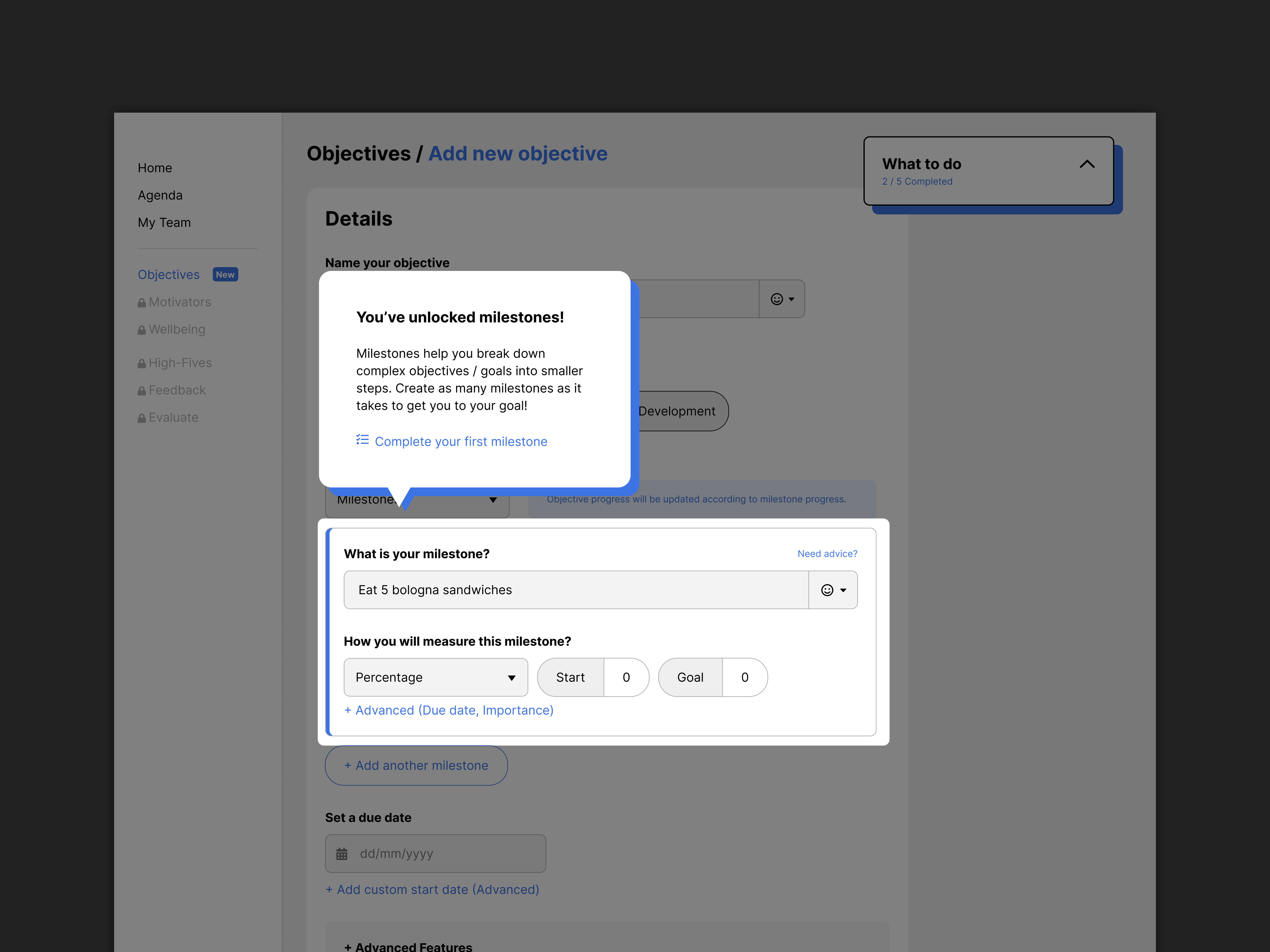
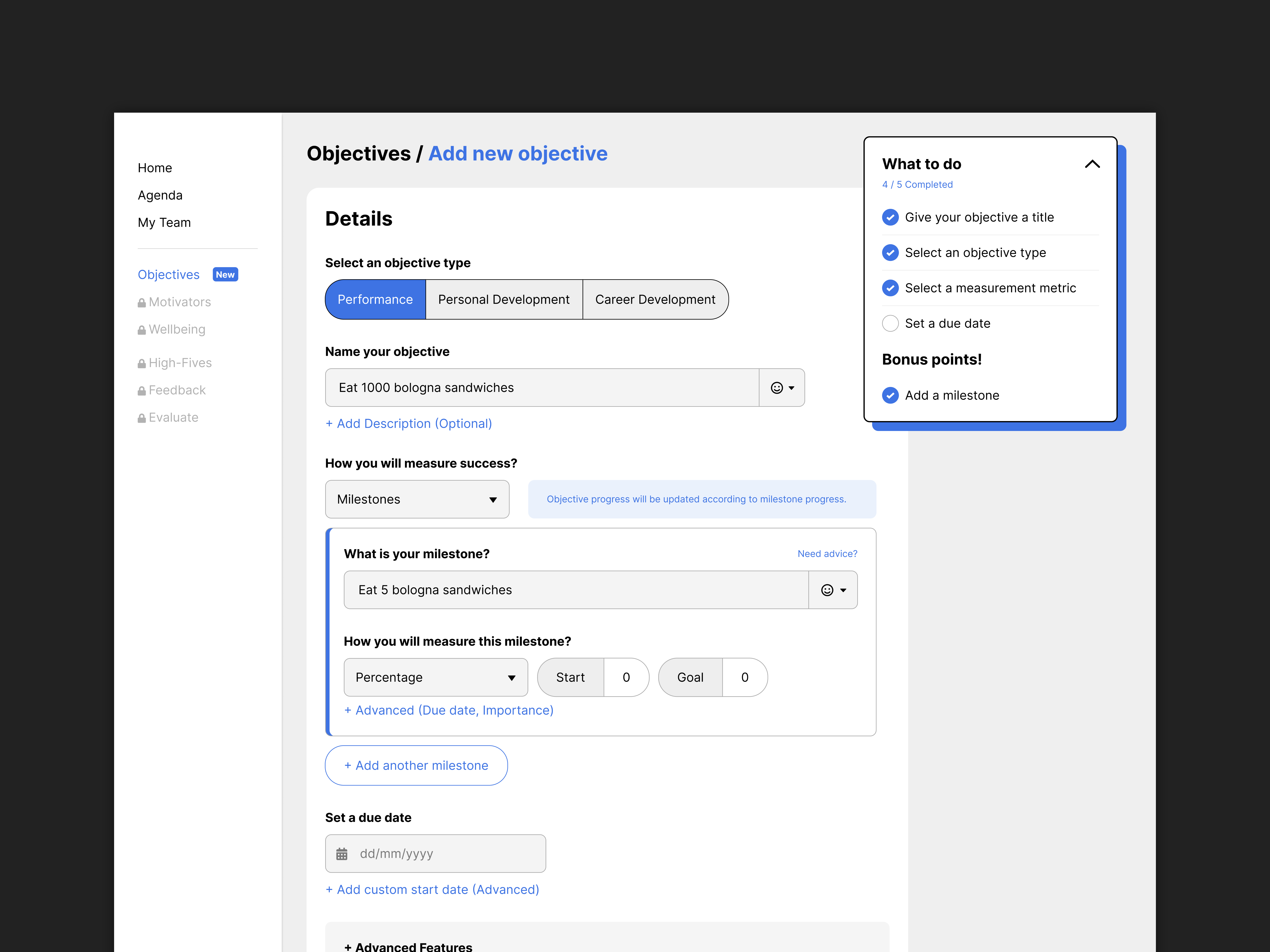
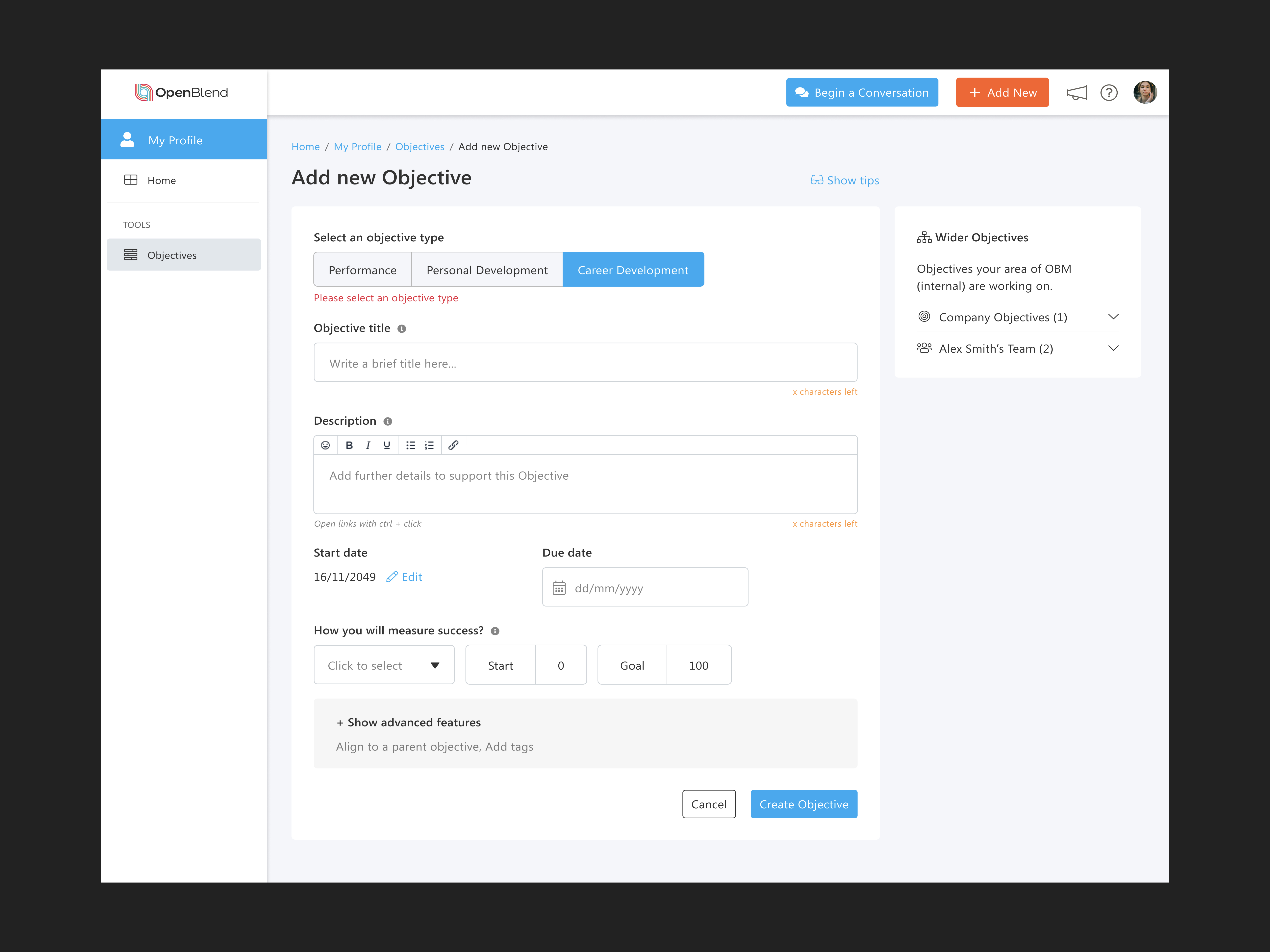
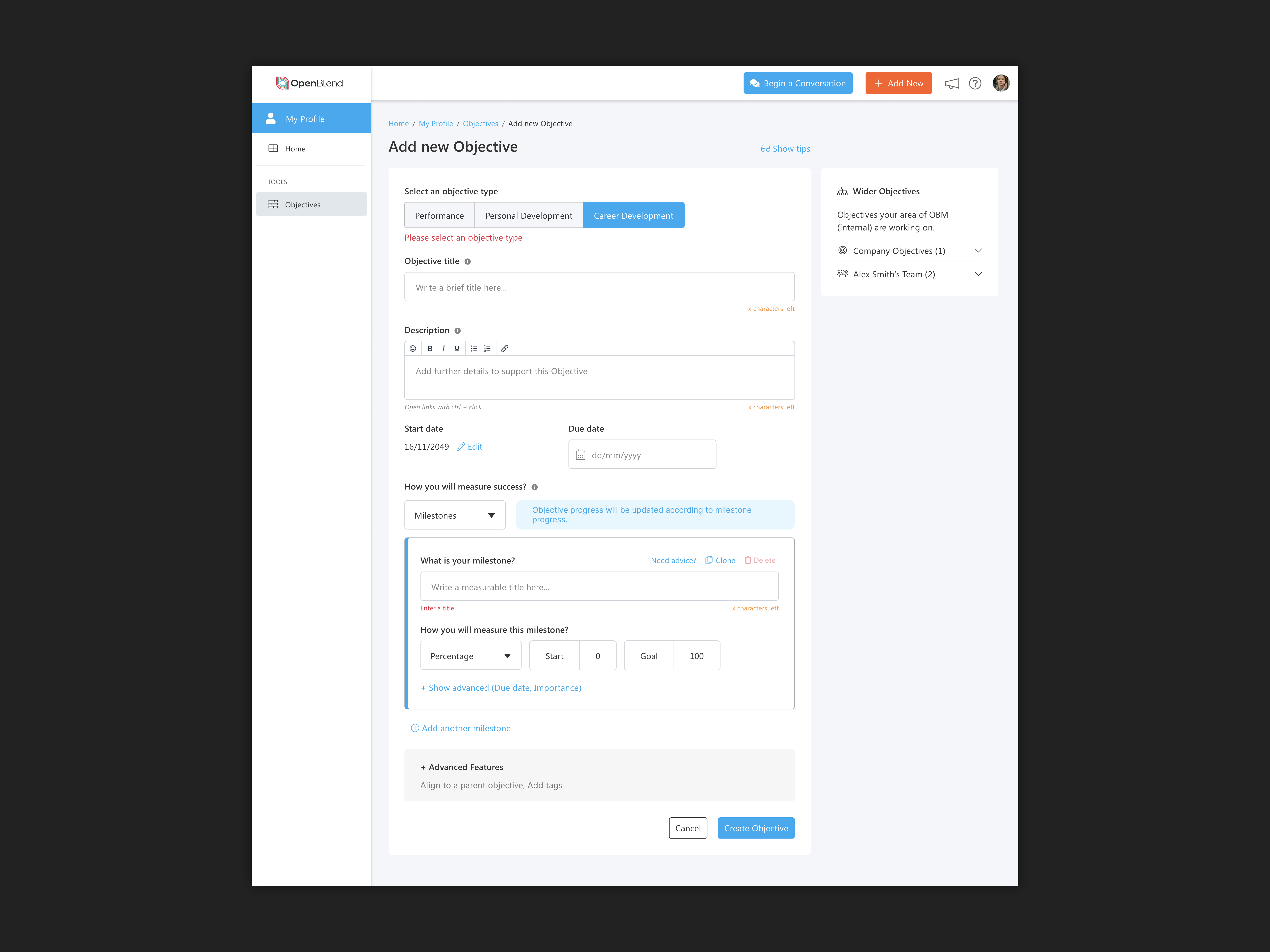
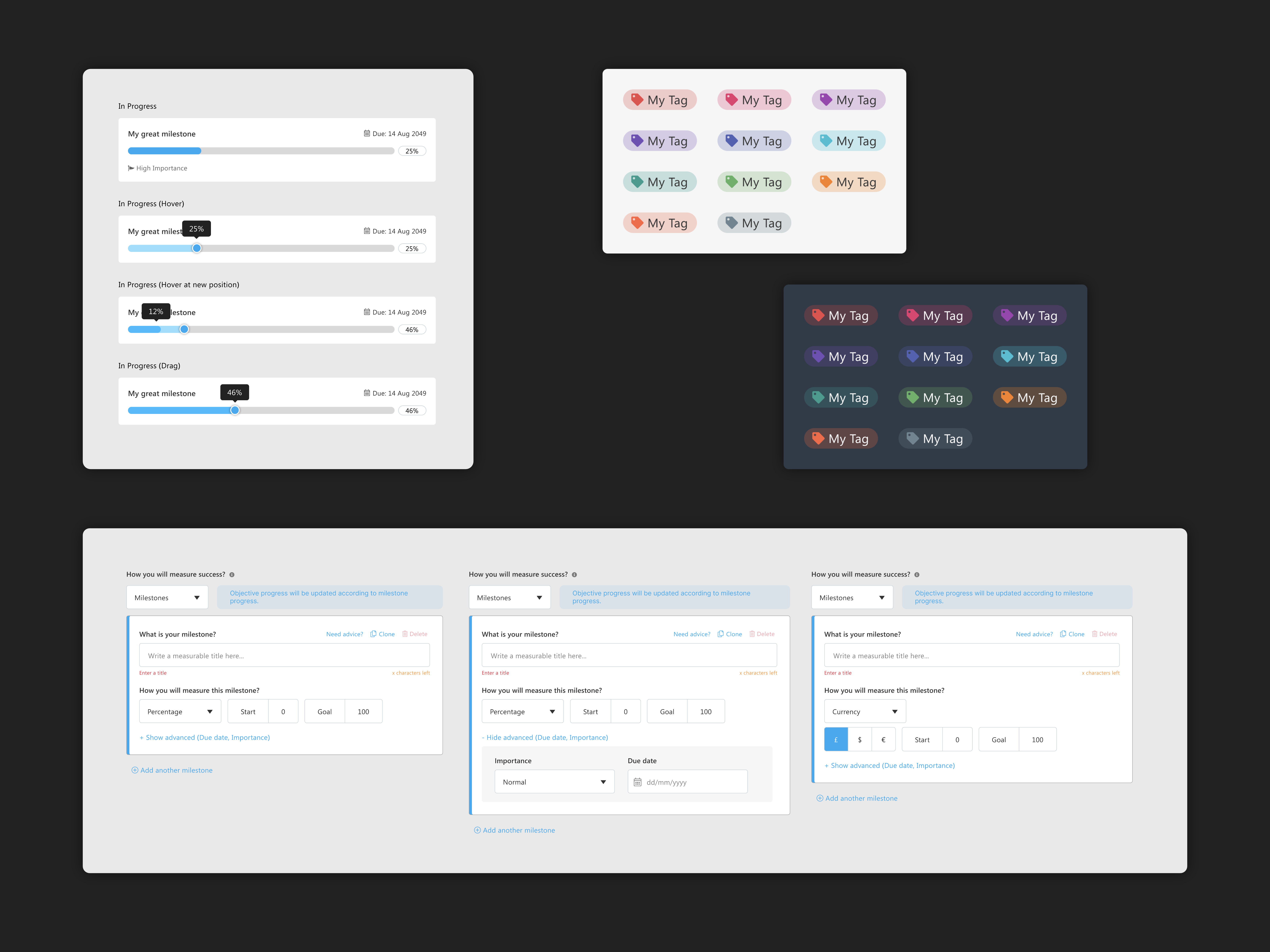
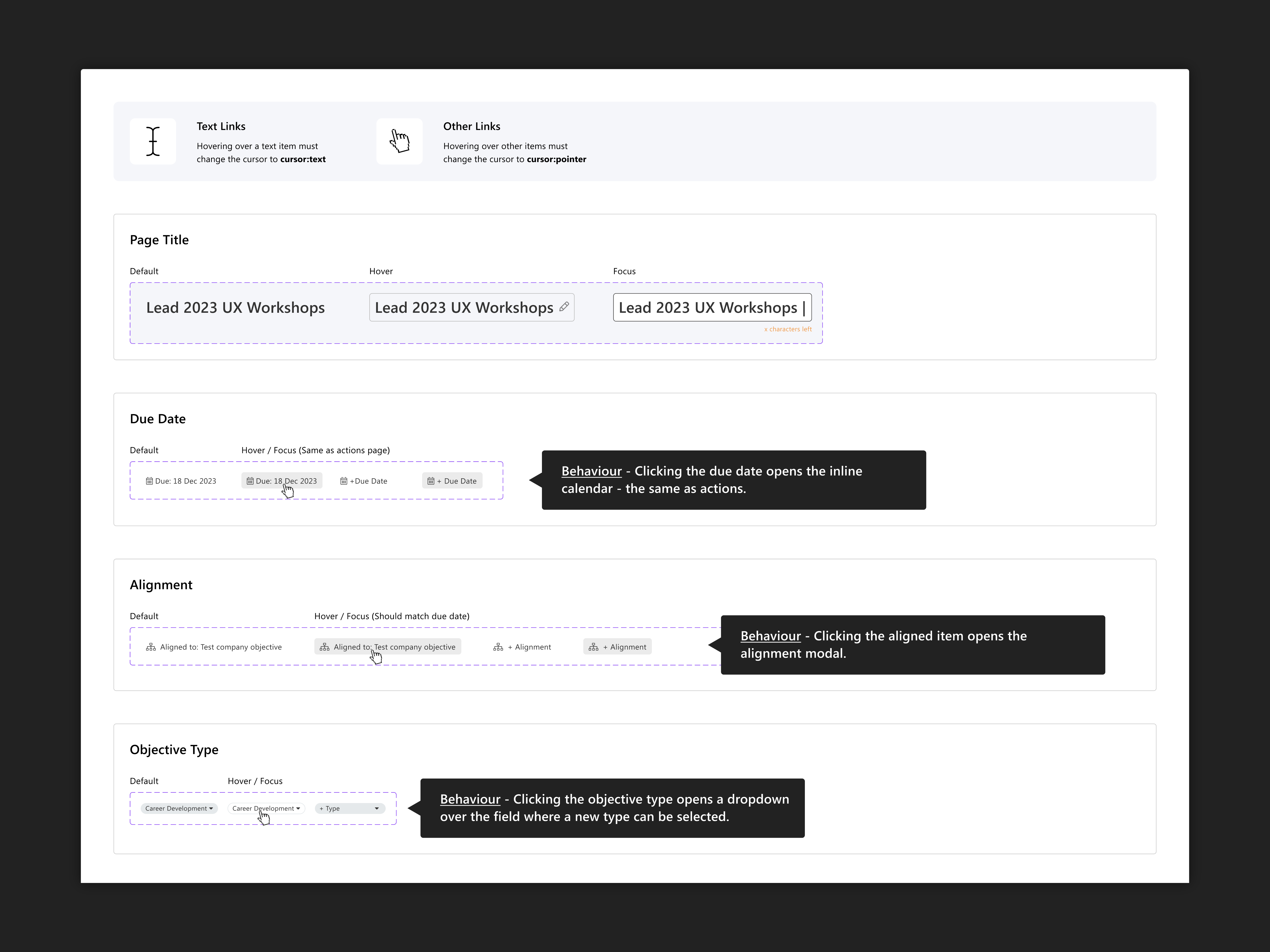
After wireframes were reviewed and tested, fully interactive flows were created in Figma along with draft acceptance criteria (ACs) written in BDD format. These flows were refined weekly with the tech team to identify potential edge cases or code redundancies. For new interactions, comprehensive component documentation was provided to developers, detailing every variable and error message. Below are example screens of a more developed “Objectives” section, along with additional component sticker sheets and state documentation.
Challenges & Successes
Challenge #1
Meeting the demands of an eclectic customer-base positioned in a variety of industries.
Learnings
Collaborating closely with customers while leveraging the knowledge of our own CS team and gathering consistent feedback helps ensure the product evolves in ways that benefit all users, while also prioritizing the most impactful features for the greatest number of customers.
Successes
Challenge #2
Supporting trust and wellbeing within the openblend platform.
Learnings
We quickly realized the need to clearly separate personal wellbeing logs from performance evaluations to maintain trust and foster productive 1:1s. Clear boundaries, reinforced through helper text and in-app messaging, were essential to ensuring both managers and direct reports felt supported and secure.
Successes
Challenge #3
Educating stakeholders about the importance of beautiful UI & light UI patterns.
Learnings
As such, it is critical for the product designer to also serve as a UI/UX advocate, educator, and mentor within their organization. Through internal workshops, one has the opportunity to demonstrate quantitative examples of how good UI leads to better user engagement and retention, while also equipping executives with the right terminology when considering new features early on.
Successes
Additionally, I facilitated several more focused workshops for interested colleagues, using the book Laws of UX as a syllabus guide. I also taught the basics of using tools like Figma to ideate and demonstrate product concepts.
Challenge #4
Maintaining excellence under the pressure of rapidly shifting priorities.
Learnings
Every team member must be flexible and willing to wear multiple hats to get the job done. This requires strong team cohesion and the ability to come together during crunch times to consistently push new features over the finish line.
Successes
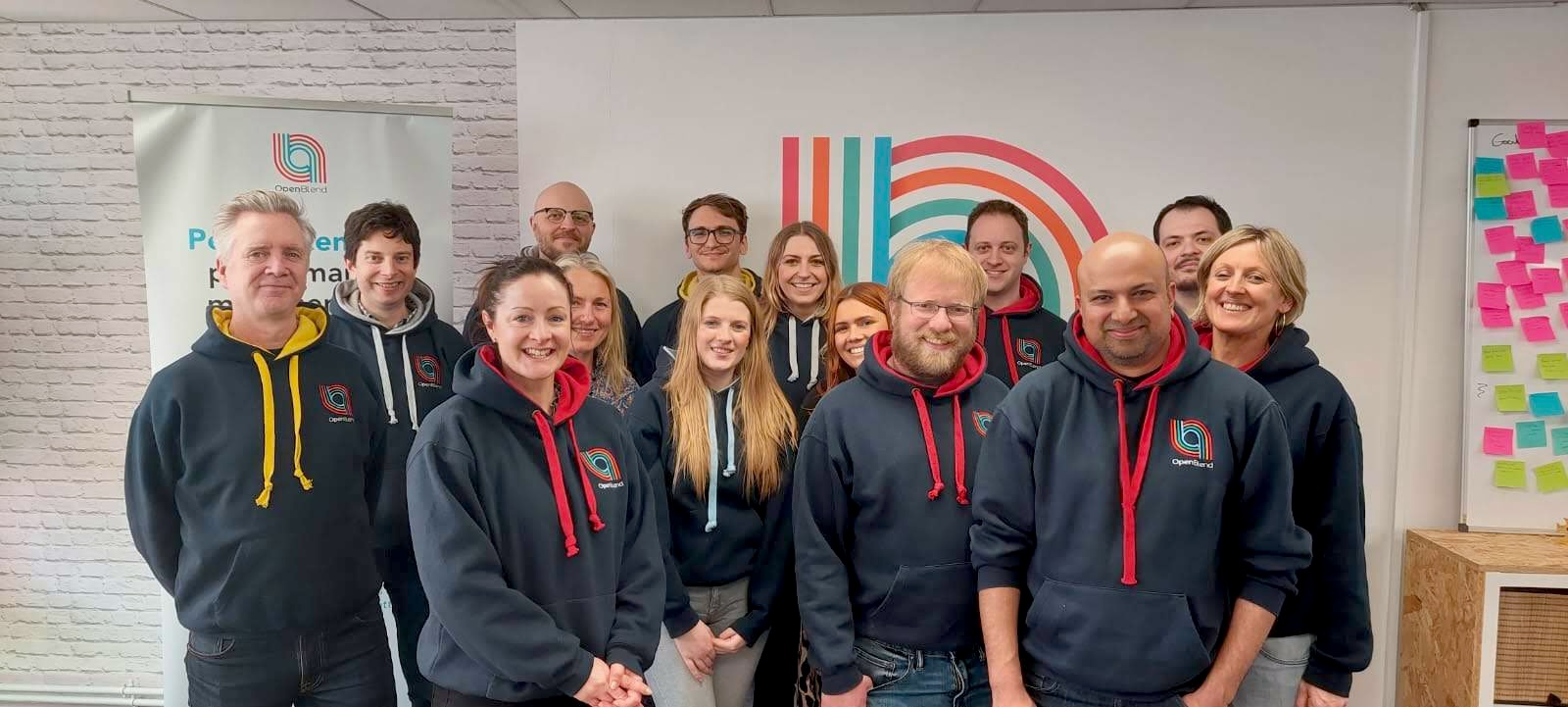
When challenges arose, we stepped up to help one another, and it was this strong sense of teamwork that allowed us to consistently deliver a great product.
BE THE BEST VERSION OF YOURSELF • THERE IS ALWAYS A SOLUTION • WE ARE IN IT TOGETHER • DREAM BIG •
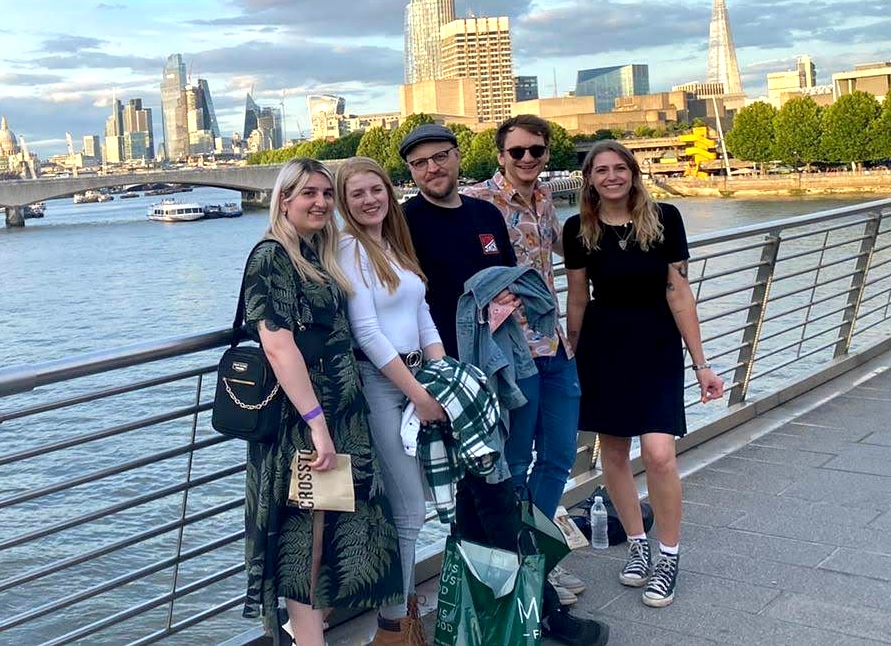
Life At OpenBlend